- 0 views
- By Caroline McNally
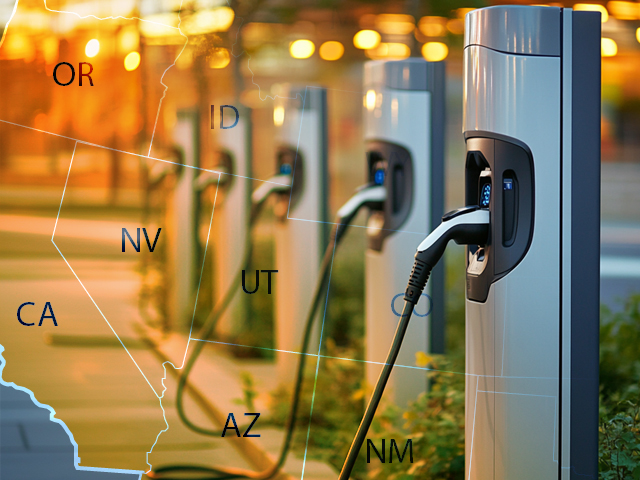
As electric vehicles (EVs) continue to gain traction across the United States, one crucial factor is influencing their widespread adoption: the availability and convenience of EV charging infrastructure. While some states are rapidly advancing in this area, making it easier than ever for EV owners to keep their vehicles charged, others are lagging behind, presenting significant challenges for potential EV drivers. In this blog, we’ll explore the states where charging an EV is a breeze and those where it’s an uphill battle.
The Leaders in EV Charging Infrastructure
Several states have embraced the EV revolution, creating an environment where charging is convenient and accessible. These states have invested heavily in public charging stations, particularly fast chargers, which allow drivers to quickly top up their batteries and get back on the road. The leaders in EV infrastructure share some common characteristics:
Dense Network of Chargers: States like California, New York, and Florida have extensive networks of public chargers, particularly in urban areas where EV ownership is highest. California, in particular, stands out as a pioneer in EV adoption, with thousands of charging stations spread across the state, including along major highways.
Supportive Policies: States leading in EV infrastructure often have government policies that encourage EV adoption. These include incentives for installing home chargers, subsidies for public charging infrastructure, and mandates that require new buildings to include EV charging stations.
Collaborative Efforts: Many of the top states for EV charging have seen collaboration between government bodies, private companies, and utility providers. This collaboration has accelerated the rollout of charging stations, particularly in areas where demand is growing rapidly.
The Stragglers: States Facing EV Charging Challenges
On the other end of the spectrum, some states have yet to develop the infrastructure needed to support a growing EV population. These states often face a combination of geographic, economic, and policy-related challenges that hinder the expansion of charging networks:
Rural and Remote Areas: States with large rural or sparsely populated regions, such as Wyoming and North Dakota, often struggle to provide widespread access to charging stations. The low population density in these areas makes it difficult to justify the investment in public chargers, leaving EV owners with limited options.
Limited Investment: Some states have been slower to invest in EV infrastructure, often due to a lack of political will or economic constraints. This has resulted in fewer charging stations, particularly fast chargers, which are crucial for long-distance travel.
Policy Gaps: In some states, the absence of supportive policies or incentives for EV infrastructure has slowed the development of charging networks. Without state-level mandates or financial incentives, there is little motivation for businesses or municipalities to invest in chargers.
The Impact on EV Adoption
The disparity in EV charging infrastructure across the United States has a direct impact on EV adoption rates. In states where charging is easy and convenient, EV sales are generally higher. Consumers are more likely to purchase an electric vehicle if they know they can easily find a place to charge, both at home and on the go.
Conversely, in states where charging infrastructure is lacking, potential EV buyers may be hesitant to make the switch from gasoline-powered vehicles. The fear of being stranded without a charging station in sight, often referred to as “range anxiety,” remains a significant barrier in these regions.
Bridging the Gap
To ensure the widespread adoption of electric vehicles, it’s crucial to address the disparities in EV charging infrastructure. This will require coordinated efforts from federal, state, and local governments, as well as private sector investments. Expanding charging networks into rural and underserved areas, offering incentives for installing home and public chargers, and developing policies that support EV infrastructure are all necessary steps.
As the demand for electric vehicles continues to grow, the need for a robust and accessible charging network will only become more pressing. By learning from the successes of leading states and addressing the challenges faced by others, the U.S. can move closer to a future where electric vehicle charging is as convenient and ubiquitous as refueling a traditional car.
Conclusion
The journey toward a fully electrified transportation system is well underway, but the road is not without its challenges. While some states are leading the charge with extensive and accessible EV infrastructure, others still have a long way to go. By focusing on the expansion and improvement of charging networks across the country, we can ensure that electric vehicles become a viable option for all Americans, regardless of where they live.
Ready to make your EV installation project a reality? Contact us today and let Maverick’s dedicated EV team lead the way!


Related articles and news
 EV Infrastructure
 Pennsylvania Launches $100 Million NEVI Investment to Expand Community EV Charging
Electric vehicles are becoming more common on American roads, but widespread adoption depends on one critical factor: access to reliable and convenien …
Read more Electric cars
 Cold Current: How Electric Vehicles Handle the Freeze
Winter has always tested vehicles, but for electric vehicles (EVs), cold weather introduces a unique set of challenges. In colder climates across the …
Read more