- 0 views
- By Caroline McNally
GM’s New Battery Tech Could Transform the Future of Affordable EVs
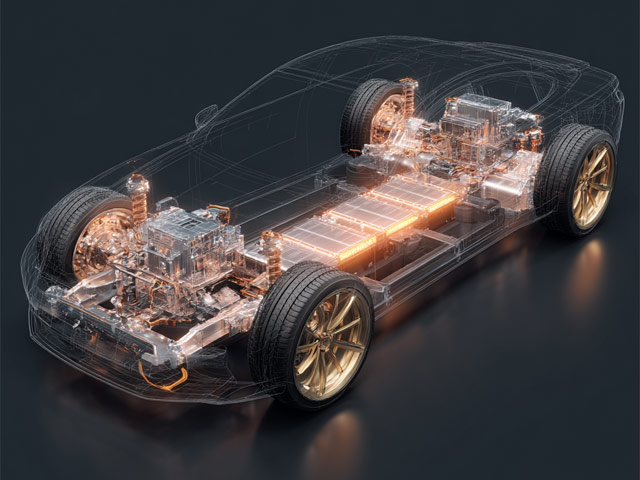
General Motors is pushing the boundaries of electric vehicle technology with a breakthrough in battery chemistry that promises to reshape the future of EV affordability, performance, and sustainability. The innovation centers around a new lithium manganese-rich (LMR) battery design—one that marks a shift away from the conventional, high-cost formulas currently used in most EVs.
What Makes LMR Batteries Different?
The core advancement lies in the chemistry. These new LMR batteries rely heavily on manganese, a material that is significantly more abundant and cost-effective than cobalt and nickel—both of which are commonly used in today’s lithium-ion batteries. By reducing the reliance on these expensive and ethically fraught materials, GM is not only aiming to lower production costs but also to build a more sustainable supply chain.
In terms of form, the batteries adopt a prismatic cell design—flat, rectangular cells that are easier to manufacture and pack more efficiently into vehicles. GM reports that this new design allows for a simpler, lighter battery pack architecture with over 50% fewer components than its current Ultium platform cells. Fewer parts mean fewer production complexities, shorter build times, and lower costs.
The Big Picture: Range and Cost Improvements
Performance-wise, these batteries are no small leap. GM says its LMR batteries are capable of delivering over 400 miles of range on a single charge. This is a critical milestone as the industry races to match or exceed the convenience of gasoline-powered vehicles.
Just as important is GM’s goal to achieve cost parity between EVs and traditional combustion vehicles. The automaker sees this battery as the key to making EV trucks and SUVs—the segment still dominated by gas-powered models—truly affordable for the average buyer.
Manufacturing and Market Rollout
The company is targeting 2028 for mass production of LMR batteries, with plans to manufacture them at existing Ultium Cells facilities in Ohio and Tennessee. GM has already built hundreds of prototype cells and is working to scale the technology in time for next-generation electric trucks and large SUVs.
To support this transition, GM has locked in a long-term supply of battery-grade manganese sulfate and is backing a new U.S.-based processing facility, which will ensure that much of its battery material is sourced and refined domestically. This move not only strengthens supply chain resilience but also aligns with federal incentives that prioritize local production.
What This Means for the EV Market
GM’s new battery tech arrives at a crucial time. The EV market is growing, but affordability remains a major barrier for many consumers—particularly when it comes to larger vehicles like trucks and SUVs. By delivering longer range, reduced costs, and simplified manufacturing, GM is positioning itself to lead the next wave of EV adoption.
While the 2028 timeline means this shift won’t happen overnight, the foundation is being laid now for a future where electric trucks are not just a premium option, but a mainstream, cost-effective choice for millions of drivers. This new chapter in battery innovation could be exactly what’s needed to accelerate the EV transition at scale.
Get Help from Maverick Electric Vehicle Services
Choosing the right charging station provider is key. Maverick Electric Vehicle Services can guide you through the installation process, ensuring you select the right equipment and setup to maximize efficiency and ROI.
Ready to make your EV installation project a reality? Contact us today and let Maverick’s dedicated EV team lead the way!


Related articles and news
 EV Infrastructure
 Pennsylvania Launches $100 Million NEVI Investment to Expand Community EV Charging
Electric vehicles are becoming more common on American roads, but widespread adoption depends on one critical factor: access to reliable and convenien …
Read more Electric cars
 Cold Current: How Electric Vehicles Handle the Freeze
Winter has always tested vehicles, but for electric vehicles (EVs), cold weather introduces a unique set of challenges. In colder climates across the …
Read more