Capital Gains: Raleigh Invests in a Cleaner EV Future
Raleigh is the state capital of North Carolina, part of the “Research Triangle” (along with Durham and Chapel Hill). It’s known for universities, tech, government, and a growing population. Raleigh is viewed as somewhat progressive in its sustainability planning, in part because of its role in state government and its educated workforce.

Raleigh, North Carolina EV Initiatives
What Raleigh has done for EV promotion:
- The city operates a large fleet (over 4,700 vehicles and equipment), and has a formal strategy / implementation roadmap to transition many of these vehicles to electric or clean alternative fuels over a 10-year span.
- In early 2025, Raleigh won a $2.4 million federal grant to install more public chargers—6 DC fast chargers and 22 Level 2 chargers—with priority for lower-income or pollution-burdened communities. These will also help support the city’s fleet charging needs.
- Raleigh has experimented with e-bike incentive programs, solar-powered EV chargers, and various pilot programs to broaden access.
- Raleigh’s “Clean Transportation Ordinance” in its Unified Development Ordinance (UDO) sought to require, for new buildings or developments, provisions that make EV charging easier in the future (EV-capable wiring, etc.), even if chargers aren’t installed immediately. That helps reduce cost and friction for future infrastructure. (Note: some parts of that ordinance were put on hold due to state law conflicts, but the concept remains part of planning discussions.)
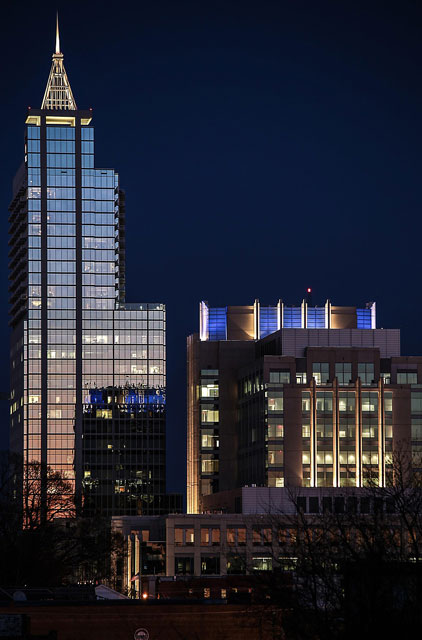
Raleigh, North Carolina EV Future

What’s next for Raleigh, North Carolina:
- Installation of the charger grant-funded infrastructure is scheduled for late 2025 into 2026, including sites in designated communities to ensure equitable access.
- Scaling up the fleet electrification: replacing more of Raleigh’s service vehicles, buses, and equipment; laying down enough charger support (both in public and for municipal operations) to handle the increased demand.
- Pursuing additional grants and state/federal funding for both infrastructure and incentives, especially ones that support underserved communities, and continuing to refine policy (like zoning, building codes) to make EV adoption easier in the long run.
Across all of these cities, there’s a broader statewide push that gives them tools, funding, and policy frameworks:
- NEVI (National Electric Vehicle Infrastructure) Program: NC is using NEVI funds to build fast charging stations along designated Alternative Fuel Corridors on interstates and major highways. This helps ensure EV drivers can make longer trips without worry.
- Volkswagen Settlement Funds & State DEQ grants: These have been used to install public Level 2 and DC fast chargers, especially in rural areas or places under-served by existing charging infrastructure.
- EV Registration & Fee Policies: The state has recently increased annual registration fees for fully electric vehicles, and introduced fees for plug-in hybrids, to help recoup some costs associated with transportation infrastructure.
- State Clean Transportation Plan, Governor’s directives: North Carolina has goals for zero emission vehicle registrations, for EV readiness of infrastructure, and for transitioning state fleets. Many city programs derive momentum from these state goals.
Get Help from Maverick Electric Vehicle Services
Choosing the right charging station provider is key. Maverick Electric Vehicle Services can guide you through the installation process, ensuring you select the right equipment and setup to maximize efficiency and ROI.
Ready to make your EV installation project a reality? Contact us today and let Maverick’s dedicated EV team lead the way!
